
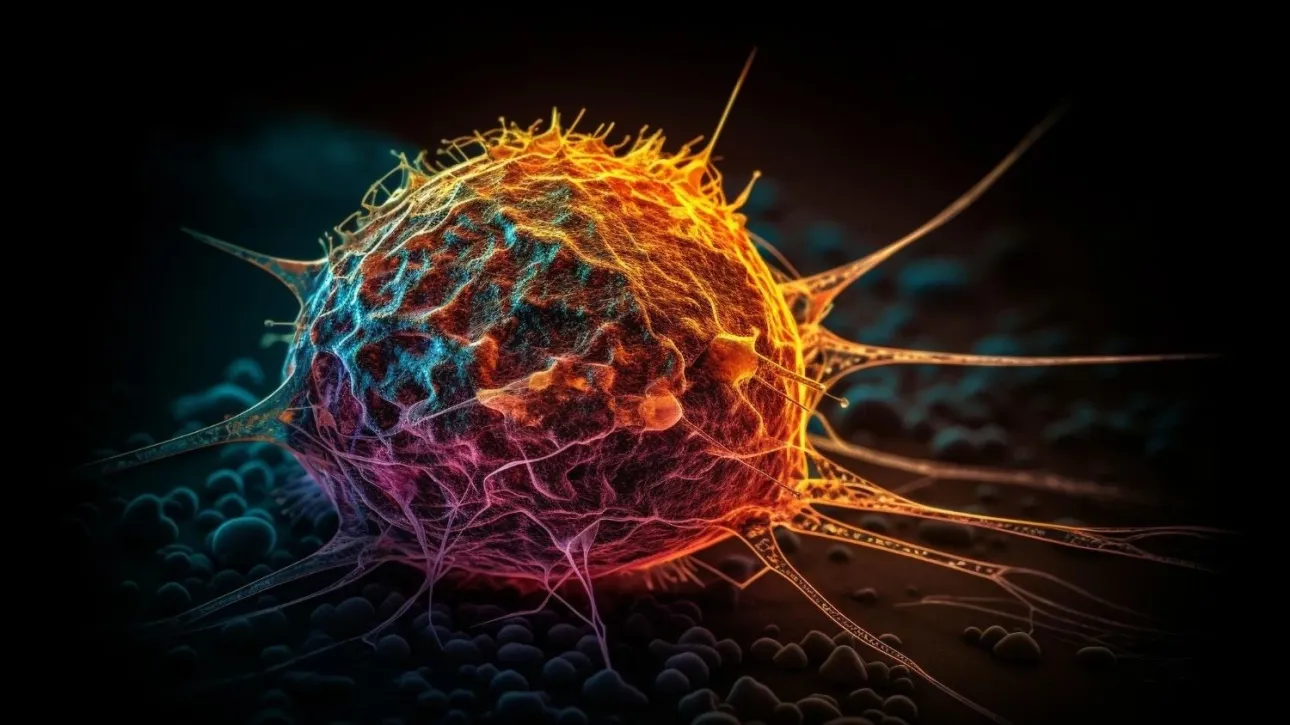
Researchers have developed a novel antibody capable of making cancer tumors “light up” during medical imaging, a breakthrough that could significantly improve targeted cancer treatment.
The team at the University of Missouri has introduced a new diagnostic approach designed to help physicians identify which patients are most likely to benefit from precision therapies. Leading the study, associate professor of biochemistry Barry Edwards engineered an ultra-small antibody that targets the EphA2 protein, commonly found in many cancerous tumors.
To make the antibody visible during scans, the researchers attached a radioactive tracer, enabling detection through positron emission tomography (PET). The result is effectively an “anti-cancer lens” that highlights tumors in real time.
In preclinical trials involving mice, the technology successfully illuminated tumors expressing EphA2 with remarkable clarity. The findings suggest that this method could provide a more accurate way to detect cancers carrying the protein, while also helping clinicians identify patients who are more likely to respond to therapies specifically designed to target EphA2-positive cancer cells—without harming healthy tissue.
“It makes no sense to administer a treatment that won’t work,” Edwards explained, emphasizing that the new technique can save both time and cost while advancing precision medicine.
Currently, tumor assessment relies largely on biopsies and MRI scans—approaches that come with notable limitations. Biopsies are invasive, while both methods can be time-consuming and often fail to provide detailed information about the proteins within cancer cells.
By contrast, the new approach is non-invasive and can deliver imaging results within hours rather than days, offering a major advantage, particularly for patients who travel long distances for treatment.
The research team aims to move the technique from preclinical studies to human clinical trials within the next seven years. The study was published in the journal Molecular Imaging and Biology.