

A meat-free diet could significantly reduce the risk of several major cancers, according to a large international study published in the British Journal of Cancer.
The findings indicate that vegetarians have:
- 21% lower risk of pancreatic cancer
- 9% reduced risk of breast cancer
- 12% lower risk of prostate cancer
- 28% reduced risk of kidney cancer
- 31% lower likelihood of developing multiple myeloma
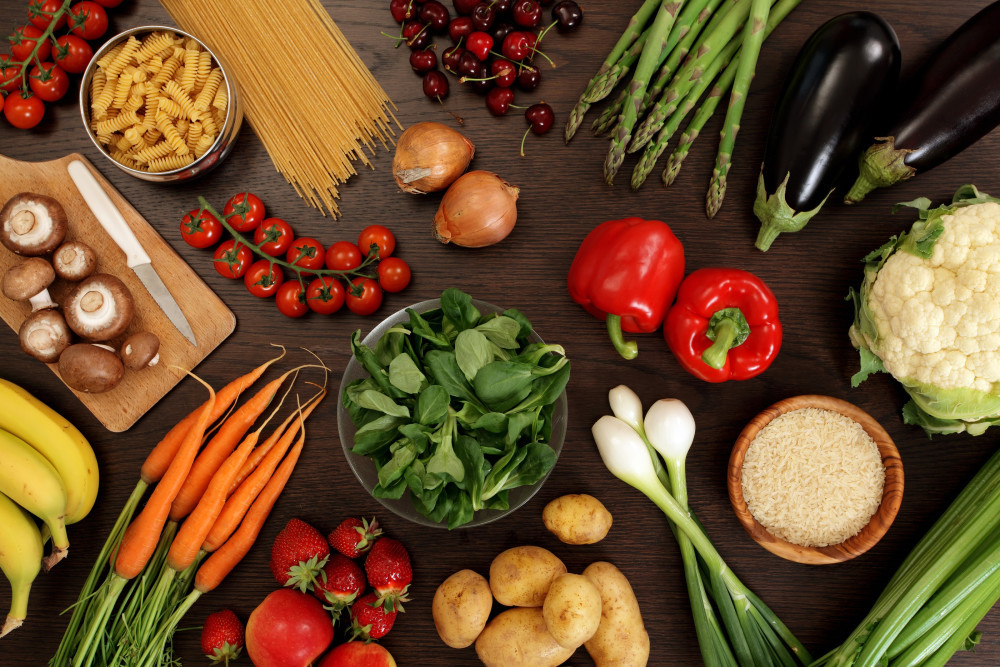
Lead researcher Aurora Perez-Cornago of the University of Oxford noted that vegetarians typically consume more fruits, vegetables, and fiber while avoiding processed meats — factors that may help explain the reduced risks.
A More Nuanced Picture
The study also identified potential drawbacks. Vegetarians were found to have roughly double the risk of the most common type of esophageal cancer compared with meat-eaters.
Additionally, vegans showed a higher incidence of colorectal cancer. Experts suggest this may be linked to lower calcium intake and possible deficiencies in other nutrients commonly found in animal-based foods.
According to Cancer Research UK, adequate calcium intake is associated with a reduced risk of bowel cancer, with one large glass of milk per day linked to a 17% lower risk.
Researchers caution that the findings among vegans should be interpreted carefully, as only 93 colorectal cancer cases were recorded in that group — a relatively small number for drawing firm conclusions.
The Processed Meat Paradox
The study analyzed dietary data from over 1.5 million meat-eaters, alongside tens of thousands of poultry consumers, fish-only eaters, vegetarians, and vegans, primarily in the UK and the United States. Seventeen cancer types were examined, with adjustments made for factors such as body mass index (BMI).
Despite previous research linking processed and red meat to higher colorectal cancer risk, this analysis did not find a lower bowel cancer risk among vegetarians compared with meat-eaters — a finding researchers describe as inconsistent with existing evidence. One possible explanation is that processed meat consumption in the study population was relatively low.
The authors conclude that further research is needed to determine whether overall meat reduction or specific vegetarian dietary patterns offer the most effective cancer protection.