
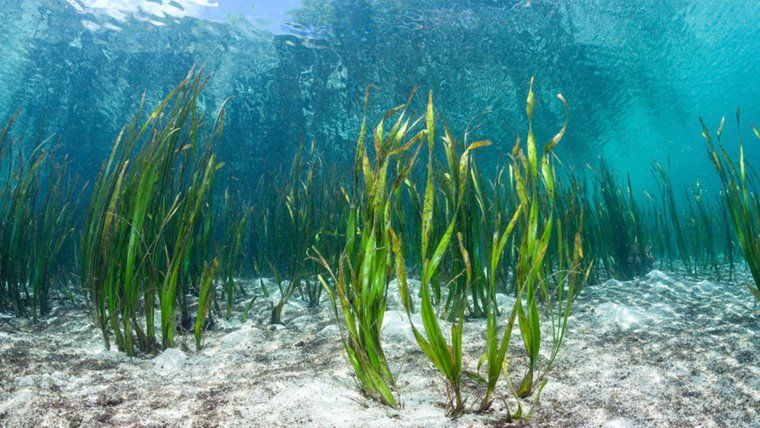
A promising innovation aimed at reducing plastic waste in the food packaging sector has been developed by researcher Yidan Zhang from the University of Connecticut. Through her startup, SeaSol, she has created a biodegradable coating made from processed seaweed that could replace the plastic layers commonly used in paper-based food packaging.
The technology uses specially treated seaweed to form a durable protective barrier against moisture and grease while preserving the package’s ability to be recycled or composted. This addresses one of the major environmental challenges associated with conventional plastic-coated packaging.
Unlike traditional plastic materials, SeaSol’s coating naturally breaks down and can be effectively managed through recycling systems, composting facilities, or even natural environmental degradation, significantly reducing its ecological footprint.
The company currently utilizes approximately 453 kilograms of seaweed annually and continues to refine its production process as operations expand.
According to Zhang, the long-term goal is to partner with major packaging suppliers serving fast-food chains and restaurant operators, offering a sustainable alternative for an industry under increasing pressure to adopt environmentally responsible solutions.
SeaSol is also working closely with seaweed farmers across New England to establish a reliable and sustainable supply chain. The company hopes to position itself within the global food packaging market, valued at approximately $37 billion, while promoting a greener future for packaging materials.