

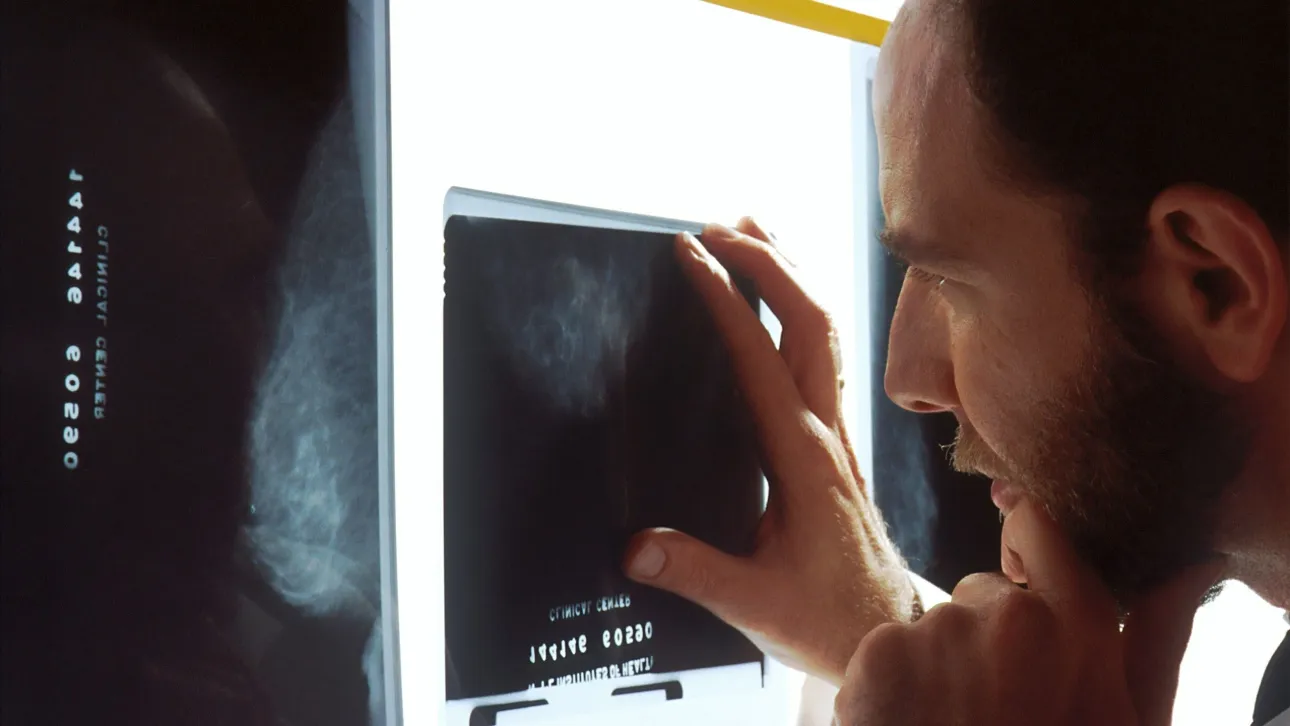
Artificial intelligence may be able to predict the risk of serious or even fatal heart disease by analyzing routine mammograms, according to a new study published in the European Heart Journal.
Researchers found that AI systems can identify and measure calcium buildup in the arteries of the breast during mammography scans. This condition, known as breast arterial calcification, has been closely linked to a higher risk of heart attacks, strokes, and cardiovascular-related deaths.
The study analyzed data from 123,762 women who had undergone breast cancer screening and had no known history of cardiovascular disease. Using artificial intelligence, scientists examined the mammograms to estimate the amount of calcium present in breast arteries, categorizing it as severe, moderate, mild, or absent.
These findings were then compared with long-term health outcomes to determine whether the women later developed serious cardiovascular conditions, including heart attacks, strokes, or cardiovascular-related deaths.
What the findings revealed
The results showed a clear relationship between arterial calcification and cardiovascular risk. Women with mild calcification had roughly a 30% higher risk of developing serious cardiovascular disease compared with those with no signs of calcification.
The risk increased significantly with higher levels. Women with moderate calcification had more than a 70% greater risk, while those with severe calcification were two to three times more likely to experience major cardiovascular events.
Notably, this association was observed even among women under the age of 50—a group typically considered to have lower cardiovascular risk. The link remained strong even after accounting for other factors such as diabetes and smoking.
A potential tool for earlier detection
Researchers led by scientists from Emory University in the United States say the technique could help identify large numbers of women who may have undiagnosed or untreated cardiovascular disease.
They also suggest that incorporating AI-based analysis into existing mammography screening programs could dramatically expand preventive care—potentially reaching tens of millions of women each year without requiring additional infrastructure.
According to the researchers, the next key steps include integrating the AI tool into current imaging workflows and establishing clear clinical guidelines to help physicians and patients interpret and act on the findings.