

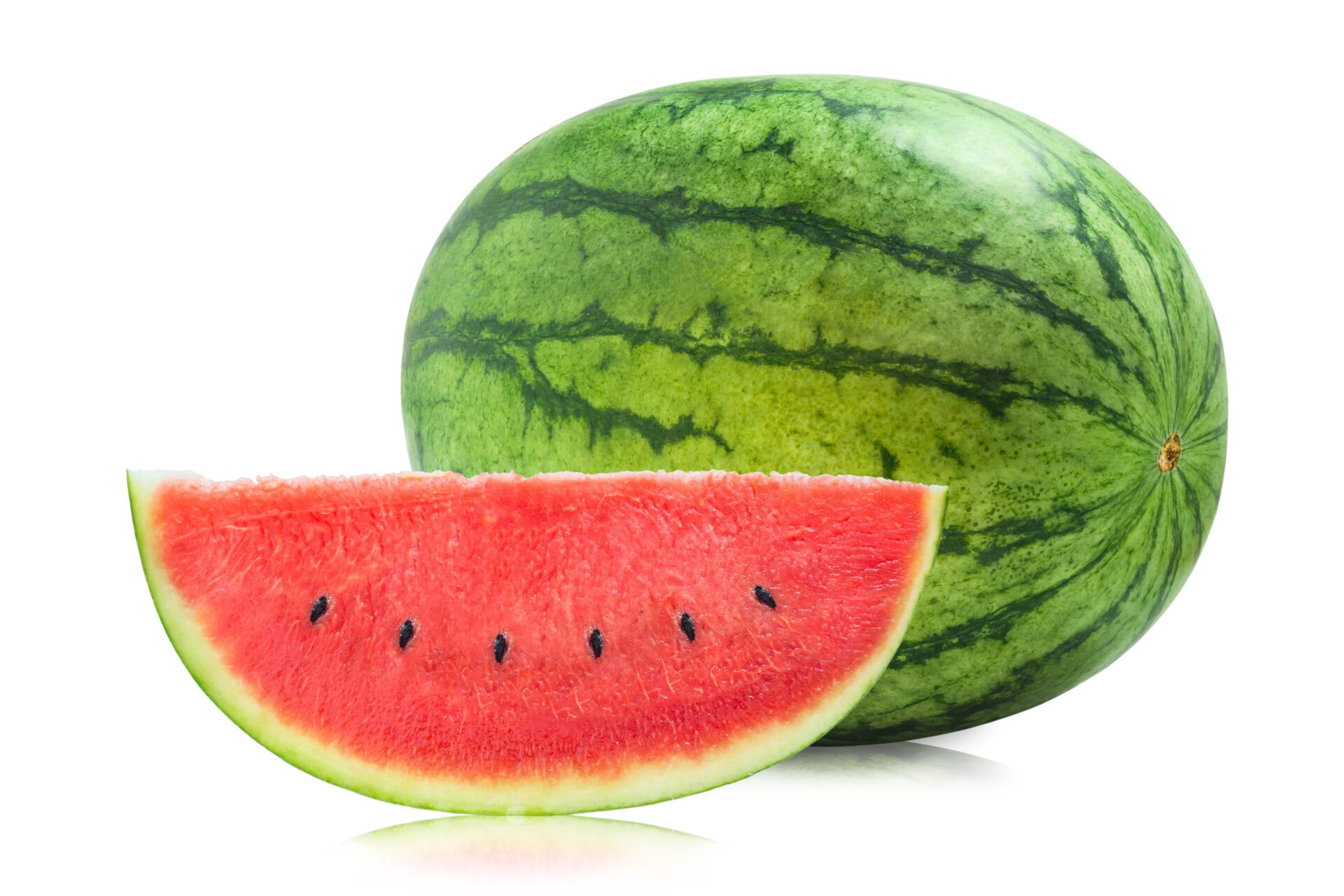
Widely known as one of summer’s most refreshing fruits, watermelon may offer far more than hydration and cooling relief during hot weather, according to emerging scientific research.
Recent studies published in the journal Nutrients suggest that regular watermelon consumption may contribute to improved diet quality and support cardiovascular health. Researchers found that individuals who consume watermelon tend to follow healthier overall dietary patterns compared to those who do not.
The findings were based on data from the U.S. National Health and Nutrition Examination Survey (NHANES), which analyzed the eating habits of both children and adults. According to the study, watermelon consumers showed higher intake levels of dietary fiber, potassium, magnesium, vitamins A and C, lycopene, and other beneficial carotenoids.
At the same time, these individuals appeared to consume lower amounts of added sugars and saturated fats, factors commonly associated with improved nutritional balance.
Scientists are also increasingly interested in watermelon’s potential cardiovascular effects. A clinical study conducted by Louisiana State University examined whether watermelon juice could help preserve blood vessel function during periods of elevated blood sugar.
The trial involved 18 healthy young adults who consumed watermelon juice daily for two weeks. Researchers focused on two naturally occurring compounds found in watermelon – L-citrulline and L-arginine – which help stimulate the production of nitric oxide, a molecule that supports blood vessel relaxation and healthy circulation.
The results indicated that watermelon juice helped maintain vascular function during hyperglycemia and also influenced markers related to heart rate variability.
Although researchers emphasize that larger-scale studies are still needed, the findings add to growing scientific evidence exploring watermelon’s possible role in cardiometabolic health.
Beyond its potential medical benefits, watermelon remains a low-calorie fruit with exceptionally high water content, consisting of approximately 92% water. A two-cup serving contains around 80 calories while also providing significant amounts of vitamin C and vitamin B6, making it a hydrating and nutritious choice during the summer season.