

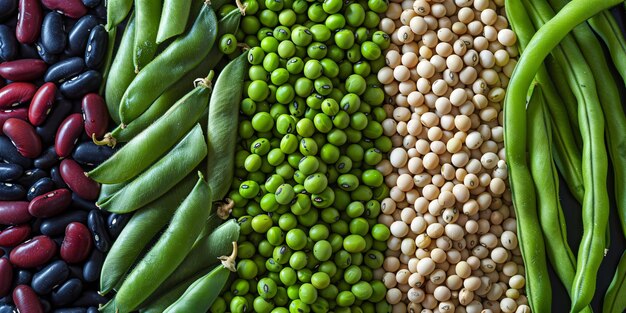
Regular consumption of soy foods and legumes may significantly reduce the risk of developing high blood pressure, according to a new study published in BMJ Nutrition Prevention & Health.
These plant-based foods have already been associated with broader cardiovascular benefits, but researchers sought to examine their specific relationship with blood pressure.
To do so, they analyzed data from twelve prospective observational studies published through June 2025. The studies included populations from the United States, Asia, and Europe, involving participant groups ranging from just over 1,100 to more than 88,000 individuals.
The findings showed that people with higher legume consumption had a 16% lower risk of developing hypertension compared to those who consumed smaller amounts. Similarly, increased intake of soy-based foods was linked to a 19% reduction in hypertension risk.
The analysis revealed even stronger benefits when consumption levels were examined more closely. According to researchers, eating up to around 170 grams of legumes per day was associated with a gradual risk reduction of up to 30%. For soy foods, the strongest protective effect was observed at daily intakes between 60 and 80 grams, with no additional benefit seen at higher amounts.
Scientists attribute these effects largely to the nutritional profile of legumes and soy. Both are rich in potassium, magnesium, and dietary fiber – nutrients known to support healthy blood pressure regulation.
Recent evidence also suggests that the fermentation of soluble fiber by gut bacteria produces short-chain fatty acids that may help improve blood vessel function. In addition, soy isoflavones are believed to contribute to lower blood pressure levels.
Despite the promising findings, researchers caution that the analysis had several limitations, including differences among studies in legume varieties, preparation methods, dietary habits, and definitions of hypertension.
Even so, the results reinforce current dietary recommendations encouraging greater consumption of plant-based foods, highlighting the potential heart-protective benefits of soy and legumes.