

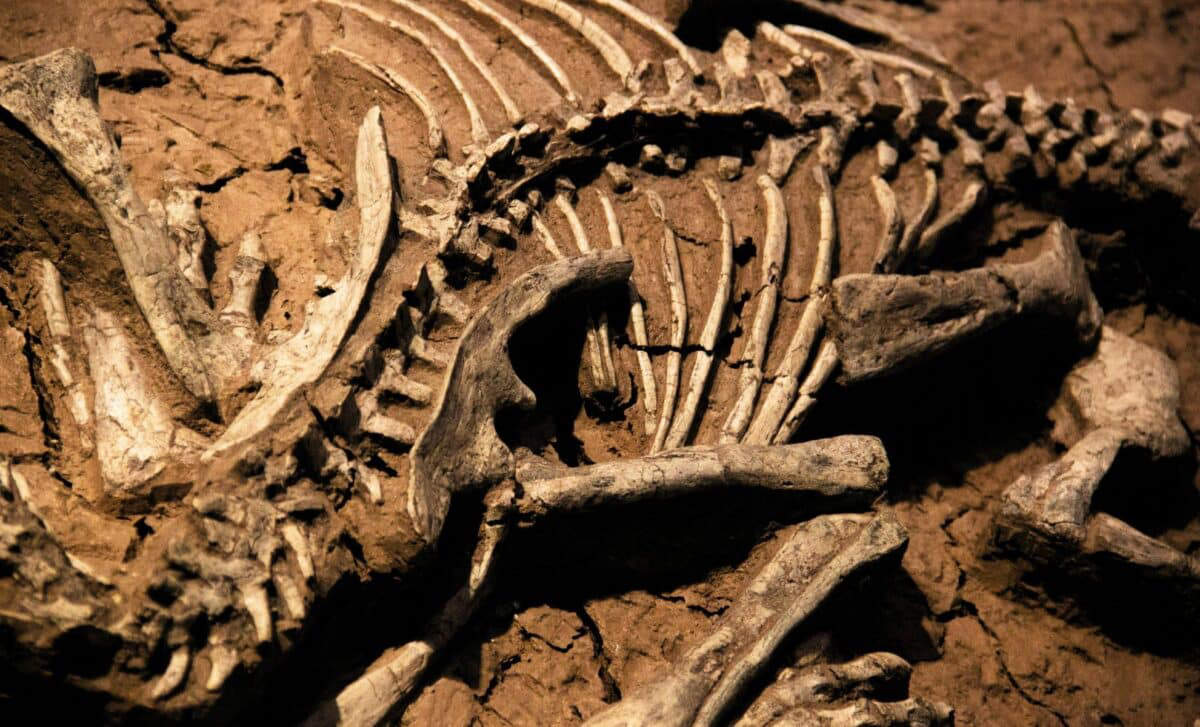
A remarkable fossil discovery in Patagonia is drawing significant attention from the scientific community, as it appears to belong to a dinosaur that does not fit neatly into any known classification.
The newly identified species, Bicharracosaurus dionidei, lived around 155 million years ago during the Late Jurassic period. Fossils were unearthed in Chubut Province and include more than 30 vertebrae, ribs, and parts of the pelvis.
Researchers estimate the animal measured about 20 meters in length, making it one of the large herbivorous sauropods of its time.
A “mosaic” of traits
What sets this dinosaur apart is its unusual mix of anatomical features. Some bones closely resemble those of brachiosaurids such as Giraffatitan, while others —particularly the dorsal vertebrae— are more similar to diplodocids and related species from North America.
This combination complicates its classification. However, phylogenetic analyses suggest it likely belongs to the Brachiosauridae family. If confirmed, it would represent the first Jurassic brachiosaurid identified in South America.
Patagonia’s growing importance
The discovery further highlights Patagonia as a key region for paleontological research. Until recently, much of what scientists knew about sauropod evolution came from findings in the Northern Hemisphere.
The fossils originate from the Cañadón Calcáreo Formation, an area that has become increasingly important for understanding prehistoric life in the Southern Hemisphere.
From shepherd to science
The discovery began with a local shepherd, Dionide Mesa, who first spotted the bones on his land. In recognition of his role, the species name (dionidei) honors him, while the genus name derives from a Spanish word meaning “large creature.”
Today, the fossils are housed at the Egidio Feruglio Paleontology Museum, where ongoing research continues to shed light on this unusual dinosaur.