

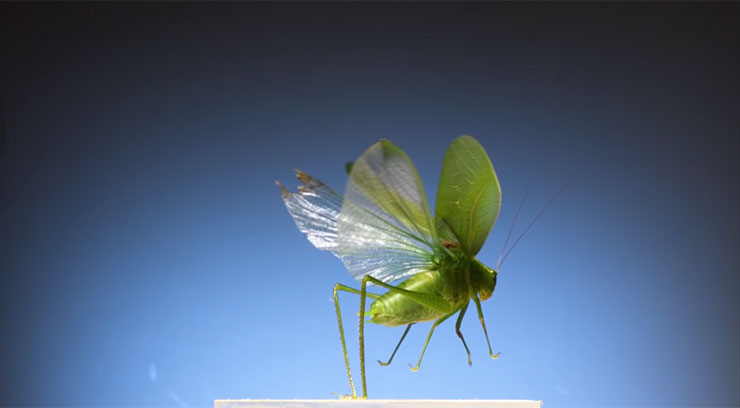
Earth may harbor far more insect species than scientists have long believed. According to a new study, the planet could be home to between 14 and 20 million insect species nearly three times the long standing estimate of around six million.
The findings go beyond simply expanding biodiversity records. Insects play an essential role in maintaining ecosystems by pollinating crops, naturally controlling agricultural pests, recycling organic matter and supporting food webs. At the same time, some species transmit diseases or contaminate food supplies, making a better understanding of insect diversity vital for both environmental conservation and human well being.
“We cannot protect species if we don’t know they exist,” said Laura Melissa Guzmán, Assistant Professor of Entomology at Cornell University, emphasizing that documenting biodiversity is the first step toward preserving it.
How researchers reached the new estimate
The study combined genetic data from more than 1.6 million tropical insects collected in Costa Rica’s Área de Conservación Guanacaste with extensive statistical analyses. Using specialized tent-like traps and DNA barcoding techniques, researchers identified nearly 54,000 distinct insect species.
The team then focused on Microgastrinae, a highly diverse subfamily of parasitic wasps. By estimating the ratio of known to previously unknown species within this group, they concluded that the protected area alone may contain roughly 333,000 insect species.
Researchers compared this figure with the diversity of trees, mammals, amphibians and moths found in the same region before scaling the results to global biodiversity patterns. Their analysis suggests that the total number of insect species worldwide could range from 14 million to as many as 20 million.
A Race Against Time
Despite these enormous numbers, scientists have formally described only about 1.2 million insect species worldwide, leaving the vast majority still unknown to science.
Researchers warn that time may be running out to discover them. Climate change, habitat destruction, intensive agriculture and the spread of invasive species are driving widespread declines in insect populations across the globe.
A 2019 study estimated that up to 40% of insect species are experiencing population declines, while research published in 2025 found that only 1.2% of insect species have been assessed for their extinction risk.
The ecological consequences are already becoming apparent. Scientists at the University of Michigan recently reported that a decline of more than 60% in insect abundance at Canada’s Long Point Bird Observatory was associated with smaller body size and reduced reproductive success in tree swallows.
According to researcher Charlotte Probst, climate change and biodiversity loss represent two interconnected global crises. Understanding how these processes interact over time will be essential for protecting ecosystems and the countless species that depend on them.