
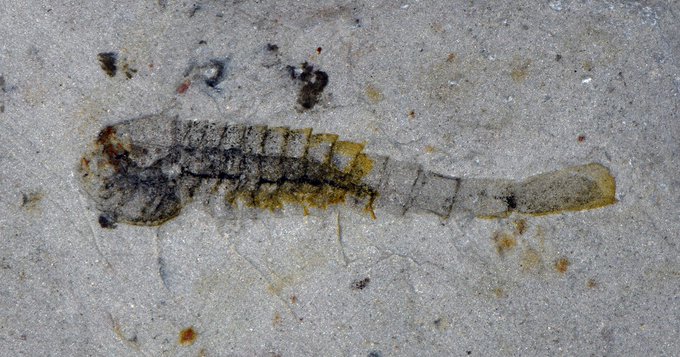
Scientists in China have discovered tens of thousands of animal fossils dating back around 512 million years, belonging to species that survived a major extinction event following the Cambrian explosion. The fossils were found in a quarry in Hunan province, southern China, and are considered to be of exceptional scientific importance.
According to a study published in Nature, researchers collected more than 50,000 fossil specimens from a single site, identifying 153 animal species, 91 of which were previously unknown to science. Many of the fossils preserve soft tissues such as intestines, gills, eyes and neural structures—an extremely rare occurrence in the fossil record.
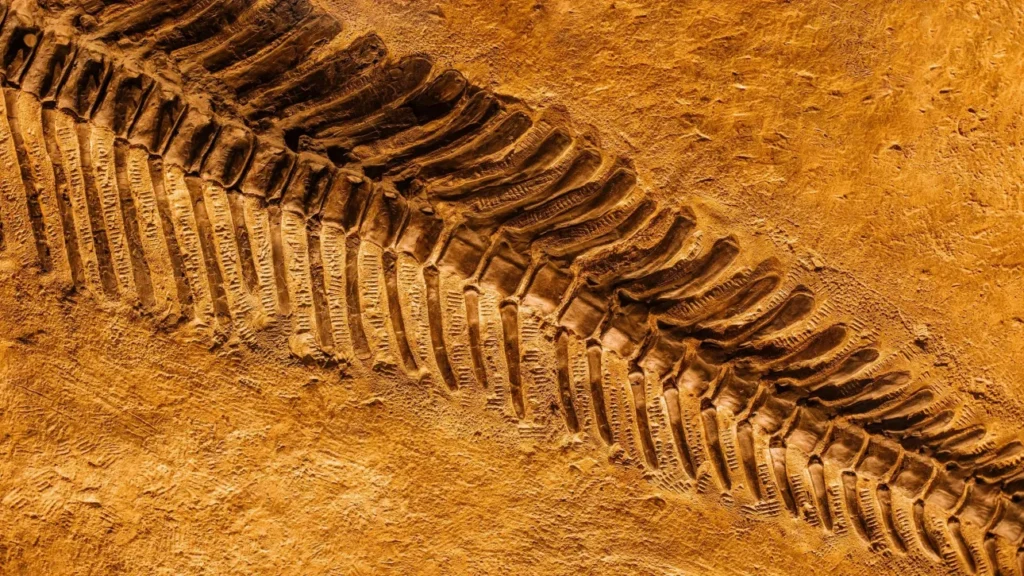
The findings include marine arthropods related to modern crabs and insects, as well as radiodonts, the apex predators of their time. The fossils date to shortly after the Sinsk Event, during which nearly half of the animal life that emerged during the Cambrian period went extinct.
Researchers say the discovery provides valuable insight into how life recovered after one of Earth’s earliest extinction events and highlights the relevance of studying such processes at a time when scientists warn the planet may be entering a new, human-driven mass extinction.