
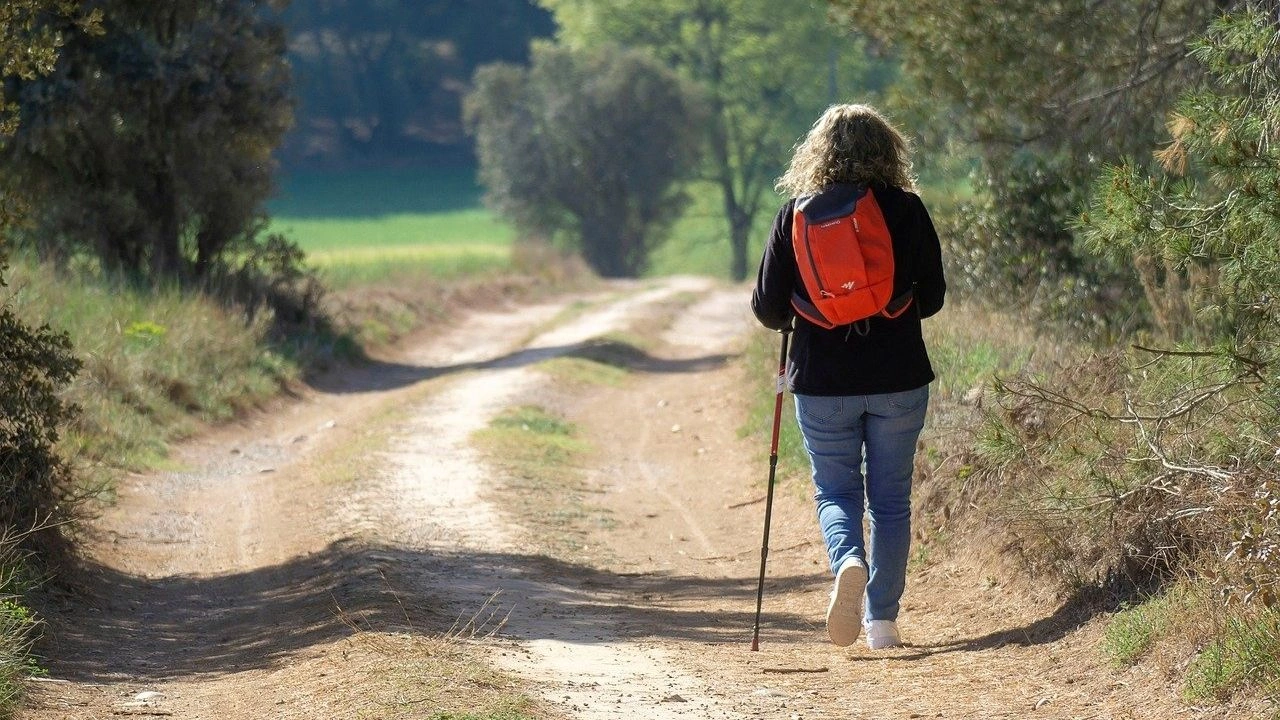
New research evidence suggests that spending time alone in nature — even without social company — can substantially reduce feelings of loneliness. This finding emerges from studies conducted by Norwegian researchers who examined the relationship between quality of life, contact with the natural environment, and the subjective experience of loneliness.
The research considered factors such as access to green spaces, overall life satisfaction, and the extent to which individuals perceive meaning in their personal choices. The analysis revealed significant correlations between regular exposure to natural environments and improved indicators of psychological well-being.
Thomas Hansen, a researcher on loneliness at the Norwegian Institute of Public Health, notes that individuals who spend time in natural settings generally report better mental health — whether in urban parks, mountainous areas, or forests — regardless of whether they are alone or accompanied by others.
Contact with Nature and Psychological Reinforcement Mechanisms
According to Hansen, the benefits are particularly pronounced among individuals with lower levels of mental health and quality of life. Time spent in nature appears to encourage physical activity, reduce rumination on negative thoughts, and function as a psychological respite from everyday stress. Improvements are also observed in sleep quality, mood, and self-esteem, while opportunities for mild social interaction may arise organically.
These findings suggest that nature primarily enhances subjective well-being, fostering a more positive outlook on life and, consequently, on interpersonal relationships.
Loneliness and Solitude: A Critical Distinction
In a complementary study reported by ScienceNorway, Helga Synnøve Løvold and her colleague Sindre Kåstad Hov from Volda University College explored how residents of remote areas in Norway experience their relationship with nature and feelings of loneliness.
The study surveyed 2,500 individuals living around Mjøsa. The results indicated that regular engagement with the natural environment is associated with lower levels of perceived loneliness.
As Løvold emphasizes, it is crucial to distinguish between the objective condition of “being alone” and the subjective experience of “feeling lonely.” The ability to experience solitude constructively — particularly in natural landscapes such as forests and rural areas — may serve as a protective factor against social isolation.
Overall, the findings support the view that intentional and meaningful contact with nature can function as a simple yet effective mechanism for strengthening psychological resilience — even when experienced in conditions of physical solitude.