

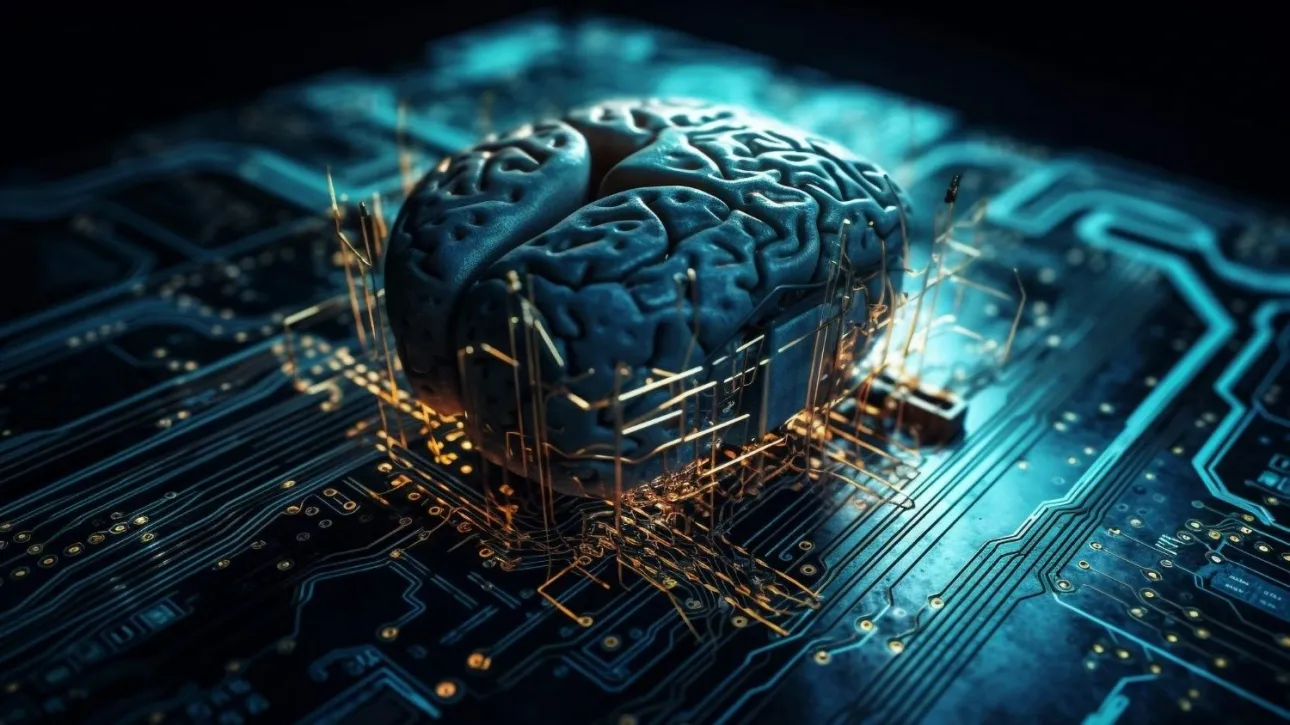
As conventional artificial intelligence approaches energy and architectural limits, an alternative research direction is emerging: the use of cultured human neurons as a biological substrate for computation.
So-called biocomputers rely on neural tissue derived from stem cells and grown on microelectrode arrays. This technology evolved from early neuron–electronics interface experiments in the early 2000s and accelerated after 2013, when researchers demonstrated that stem cells can self-organize into three-dimensional structures resembling the human brain (“brain organoids”).
Experimental systems have demonstrated rudimentary learning capabilities in closed-loop environments, as in the case of Cortical Labs, where cultured neurons interacted with the video game Pong. However, the neural activity observed in such organoids remains simple, with no evidence of consciousness or higher-order cognitive organization.
The field is driven by three main factors: (a) increased investment in artificial intelligence, (b) the maturation of neural tissue culture and imaging techniques, and (c) advances in brain–computer interfaces. At the same time, companies such as FinalSpark already provide research access to neural organoids, expanding the application ecosystem.
Despite technological expectations, existing regulatory and bioethical frameworks remain focused on biomedical research rather than on the use of organoids as hybrid computational units. Central questions concern the definition of intelligence, the ethical status of biological substrates, and the regulation of systems that combine living tissue with machine processing.
The technology is still at an early stage. Nevertheless, its rapid development suggests that the associated scientific and regulatory debates will soon become increasingly urgent.