

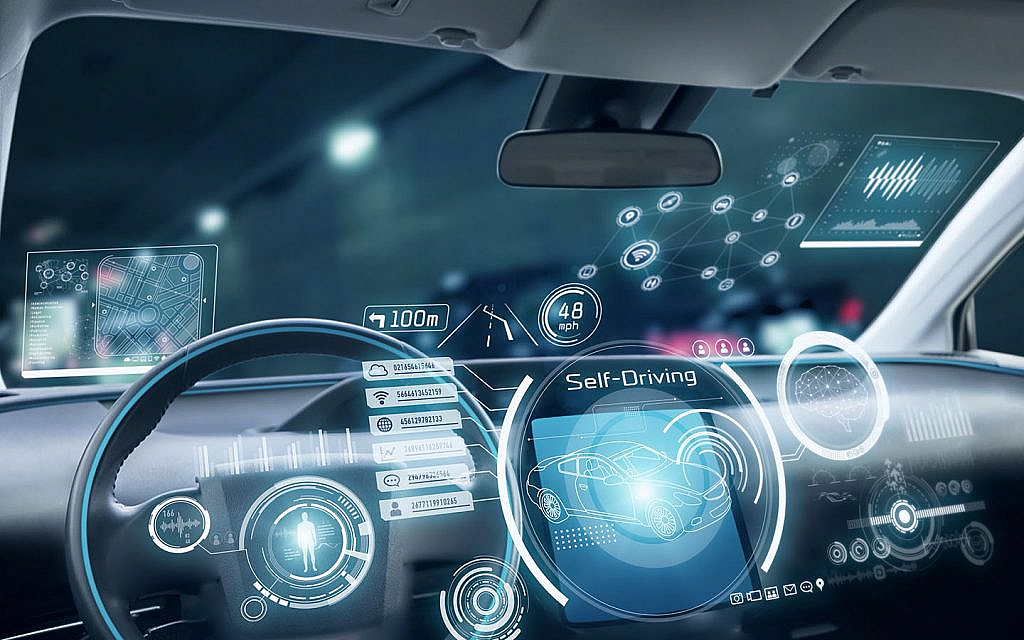
Most new cars on the road today are equipped with a wide range of advanced technological features. While these futuristic systems promise comfort and a driving experience reminiscent of a cinematic secret agent, road safety experts warn that some of them may pose serious risks.
Among the features drawing criticism are pop-out door handles, which were banned this week by Chinese authorities. The decision was taken amid concerns that, in the event of a collision, they could trap passengers inside the vehicle.
Touchscreens used for infotainment systems have also come under scrutiny, as evidence mounts that they represent a significant source of driver distraction. Unlike a physical switch or button, touchscreens require drivers to take their eyes off the road even to perform simple tasks.
As noted by Professor Milad Haghani, a road safety expert at the University of Melbourne, touchscreens demand continuous visual attention and often result in glance durations that exceed safe limits. “This prolonged distraction,” he warns, “can prove fatal.”
The debate over excessive in-car technology mirrors a broader trend seen in recent years, with some consumers returning to older-generation mobile phones without internet access — so-called dumb phones — in an effort to protect their mental health. In a similar vein, experts are now calling for simpler car designs, this time in the interest of road safety.
Hidden or pop-out door handles first appeared in 2012 with the Tesla Model S. The design integrates the handle into the vehicle’s bodywork, causing it to extend only when the car is unlocked or when pressure is applied. Unlike traditional doors, opening from the inside relies on an electronic button rather than a mechanical lever.
However, if a collision damages the vehicle’s electrical wiring, there is a risk that the doors may not open from either the inside or the outside. While most cars with hidden handles are equipped with a backup mechanical release system inside the cabin, it is often difficult to locate. In the Tesla Model 3, for example, passengers must remove a plastic panel in the door and pull a concealed cord.
Concerns intensified following two fatal accidents in China involving electric vehicles produced by a domestic manufacturer, where power failures are believed to have prevented the doors from opening. In response, Chinese authorities introduced new regulations requiring that, from January 1, 2027, all new cars sold in the country must be equipped with a mechanical door release system that can be operated from any angle.
Similar measures are being considered elsewhere. In the United States, Tesla’s door handles are already under investigation, while European authorities are also examining the introduction of their own regulations, following incidents in which occupants were unable to escape vehicles due to door malfunctions.
Meanwhile, in-car touchscreens may become the next target of regulatory action. Once limited mainly to high-end electric models, they are now standard equipment in nearly every new vehicle. Despite offering a cleaner aesthetic and lower wiring costs for manufacturers, experts argue that they force drivers to divert their attention from the road to perform basic functions.
According to Professor Haghani, essential functions include those drivers use frequently while driving, such as climate control, windshield wipers, defogging systems and headlights — functions which, he stresses, should not require touchscreen operation.