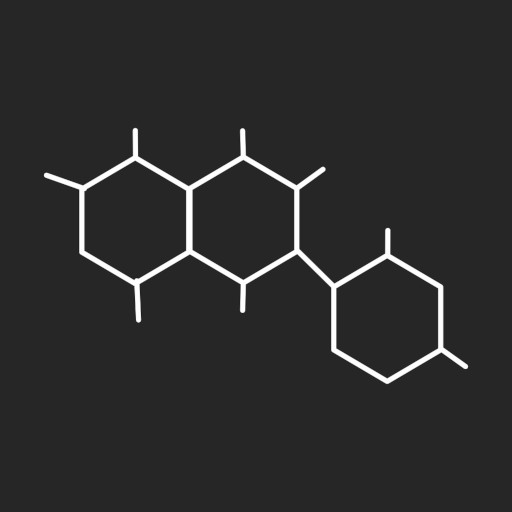

A new international scientific study is bringing renewed optimism to the fight against Alzheimer’s disease, showing that a naturally occurring molecule in the body may help the brain “remember again.” Researchers found that increasing levels of the molecule NAD⁺ can restore memory and reduce neurological damage in experimental models of the disease.
Alzheimer’s disease is the most common form of dementia, affecting around 40 million people worldwide. Over time, patients lose not only their memory, but also their ability to think, communicate, and live independently. Despite decades of research, there is still no treatment capable of stopping or reversing the disease.
One of the main culprits behind this decline is the tau protein. In a healthy brain, tau helps nerve cells maintain their structure and function. In Alzheimer’s, however, tau accumulates abnormally, forming toxic clumps that damage neurons and lead to memory loss and cognitive decline.
The new study, published in the scientific journal Science Advances, reveals an unexpected defense mechanism of the brain. As the researchers showed, boosting NAD⁺ levels can protect nerve cells from the harmful effects of tau.
NAD⁺ is a molecule essential for cell survival, as it plays a key role in energy production and in helping cells cope with stress. Its levels naturally decline with age—and even more sharply in neurodegenerative diseases such as Alzheimer’s.
Scientists discovered that NAD⁺ acts through a protein called EVA1C, which helps cells “correct” errors during the process of protein production. When this process breaks down, the brain becomes far more vulnerable to damage.
In experiments conducted on worms and mice with Alzheimer’s-like symptoms, increasing NAD⁺ levels led to improved brain function and better memory performance. However, when researchers deactivated EVA1C, these benefits disappeared—confirming the protein’s critical role.
In addition, the team found that EVA1C levels were significantly lower in brain cells from people in the early stages of Alzheimer’s disease, further highlighting the importance of this mechanism.
To better understand how this “protective chain” works, scientists used artificial intelligence tools to analyze millions of proteins and their interactions. The analysis showed that NAD⁺ helps EVA1C work together with other molecules responsible for removing damaged proteins from cells.
Although the findings are based mainly on experimental models, researchers stress that they open the door to new therapeutic approaches, with the goal of slowing—or potentially even reversing—the neurodegenerative process behind Alzheimer’s disease.