

What Scientific Research Revealed in Fukushima
More than a decade after the 2011 nuclear disaster, scientists have identified active microbial communities inside the Fukushima Daiichi Nuclear Power Plant, thriving in environments with exceptionally high levels of radiation.
The 2011 Nuclear Accident and Its Consequences
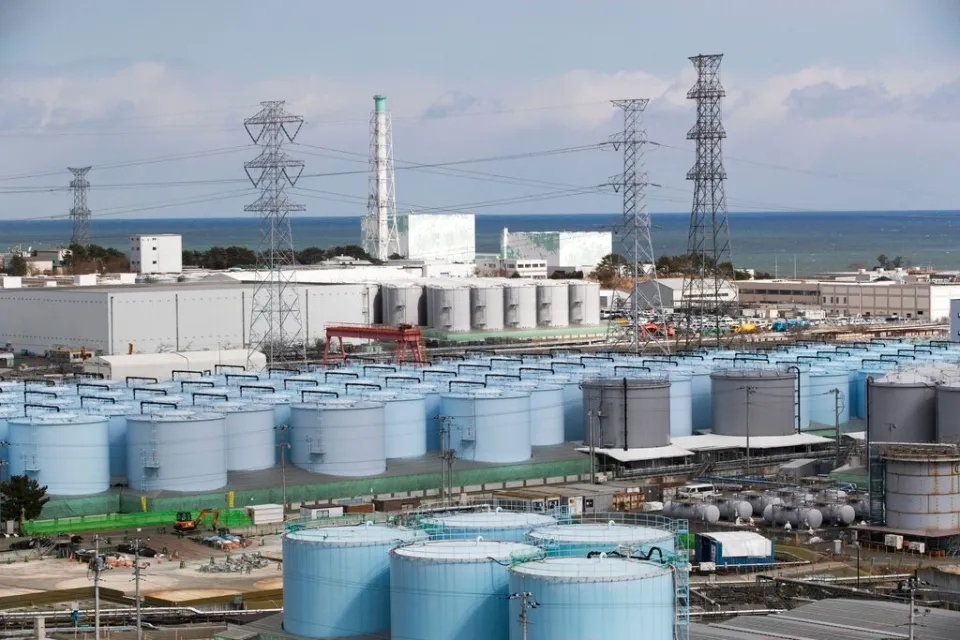
In March 2011, a powerful earthquake and subsequent tsunami triggered core meltdowns in several reactors at the Fukushima plant, leading to widespread radioactive contamination and the evacuation of the surrounding area. Large volumes of radioactive water accumulated inside the reactor buildings.
Microbes in Radioactive Water: Why They Raise Concern
The presence of microorganisms in radioactive water is not merely a biological curiosity. Microbes can accelerate the corrosion of metal surfaces and significantly hinder cleanup and decommissioning operations at nuclear facilities.
Which Bacteria Were Found at the Fukushima Nuclear Plant
A research team from Keio University analyzed water samples using genetic sequencing techniques. Instead of well-known radiation-resistant bacteria, researchers primarily identified microorganisms from the genera Limnobacter and Brevirhabdus, which are typically found in aquatic environments.
How Microbes Survive in High-Radiation Conditions
Despite the intense radiation, the microbes showed no specific genetic adaptations linked to radiation resistance. Scientists believe their survival is largely due to the formation of biofilms—protective microbial layers that reduce exposure to radiation.
What the Findings Mean for Nuclear Plant Decommissioning
Biofilms can accelerate metal corrosion, posing additional challenges for the long-term and safe decommissioning of nuclear facilities following major accidents.
Conclusions from the Study on Radiation and Life
The study, published in Applied and Environmental Microbiology, suggests that radiation at Fukushima did not give rise to “super-resistant” life forms. Instead, it created an extreme environment in which relatively common microorganisms managed to survive, carrying important implications for both science and nuclear cleanup efforts.