

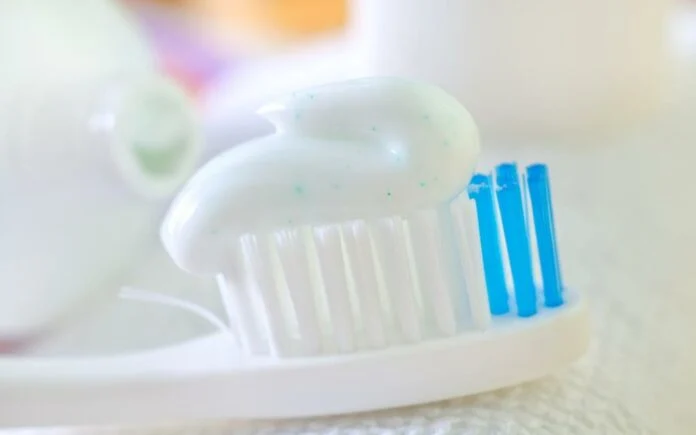
A toothpaste derived from human hair could offer a sustainable and clinically effective way to protect and restore damaged teeth.
Researchers have found that a toothpaste made from human keratin—a natural protein found in hair, skin, and wool—can strengthen and rebuild tooth enamel, preventing the early stages of tooth decay. Scientists at King’s College London discovered that when keratin interacts with the minerals in saliva, it forms a protective layer that mimics the structure and function of natural enamel.
“Unlike bones and hair, enamel does not regenerate; once it is lost, it is gone forever,” said Dr. Sherif Elsharkawy, senior author of the study and consultant in prosthodontics at King’s College. Everyday wear from acidic foods and drinks, poor oral hygiene, and natural aging can damage this protective layer, leading to sensitivity, discomfort, and ultimately tooth loss.
Protecting with keratin
While fluoride toothpastes slow this process, keratin-based treatments appear to halt it entirely. Keratin forms a dense, durable mineral layer that protects the tooth and seals exposed nerve channels that cause sensitivity, offering both structural protection and symptomatic relief.
The treatment could be available either as a daily toothpaste or as a professional gel, similar to nail varnish, for more targeted restoration. Researchers estimate that keratin-based enamel regeneration could reach the public within the next two to three years.
In the study published in Advanced Healthcare Materials, scientists extracted keratin from wool and found that when it is applied to the tooth surface and comes into contact with saliva minerals, it forms a highly organized, crystalline structure that mimics natural enamel.
Over time, this “scaffold” structure continues to attract calcium and phosphate ions, leading to the formation of a protective enamel layer—an important advance in regenerative dentistry.
A sustainable alternative
“Keratin offers a transformative alternative to current dental treatments. It is sustainably sourced from biological waste such as hair and skin, and it replaces resin-based plastics, which are toxic and less durable. It also looks more natural, as it can better match the color of the tooth.”
As concerns grow about the sustainability of healthcare materials and the long-term use of fluoride, this discovery positions keratin as a leading candidate for future oral care. The research is also part of a broader effort toward circular, “waste-to-health” innovation, turning what would otherwise be discarded into a valuable medical resource. This technology bridges biology and dentistry, offering an eco-friendly biomaterial that mimics natural processes,” said Sara Gamea, PhD candidate and first author of the study.
“We are entering an exciting era in which biotechnology allows us not only to treat symptoms but to restore biological function using the body’s own materials. With proper development and collaborations, we may soon be smiling brighter and healthier—thanks to something as simple as a haircut,” Gamea added.