

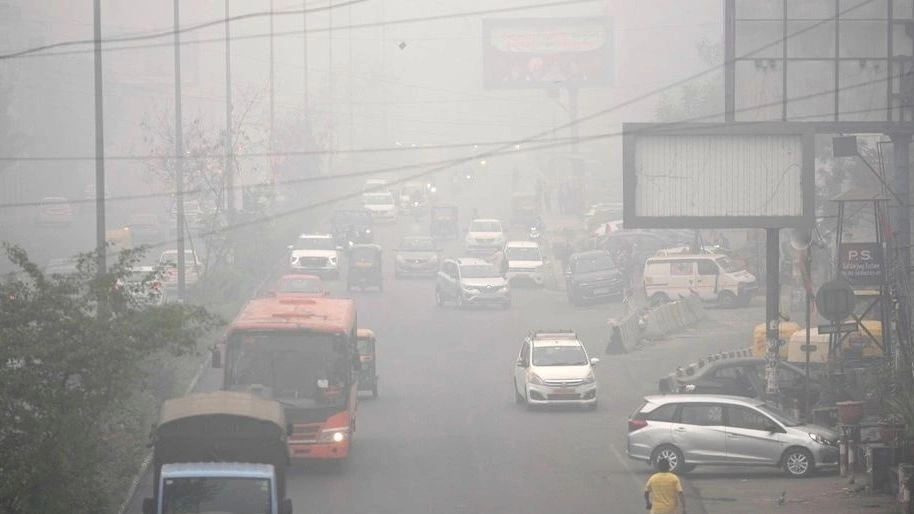
Long-term exposure to toxic air can significantly weaken the health benefits of regular exercise, according to a new study by an international team of researchers, which also included scientists from University College London.
For the study, published in the journal BMC Medicine, the researchers analyzed data from more than one and a half million adults who were monitored for over a decade in countries such as the United Kingdom, Taiwan, China, Denmark, and the United States.
The data came from seven existing studies, including three unpublished ones, and the researchers combined the summary statistics from each study into a single overall analysis. For three of these studies, the scientists re-examined the original individual-level participant data.
The researchers looked at levels of fine particulate matter, known as PM2.5, with a diameter smaller than 2.5 micrometers. These particles are so tiny that they can become trapped in the lungs and enter the bloodstream.
By combining the data, the researchers found that those who engaged in at least two and a half hours of moderate or vigorous exercise per week had a 30% lower risk of death from any cause—and specifically from cancer and cardiovascular diseases—during the follow-up period, compared with those who did not reach this level of physical activity.
However, for highly active participants living in areas with high fine particulate pollution—above 25 μg/m³ (micrograms per cubic meter)—the reduction in risk was cut in half, to about 12–15%. Nearly half of the world’s population (46%) lives in areas that exceed this threshold.
At even higher pollution levels, above 35 μg/m³, the benefits of exercise diminished further, especially regarding the risk of death from cancer, where the protective effect was no longer strong. About one-third of the global population (36%) lives in areas where the annual average PM2.5 exceeds 35 μg/m³.
Regarding limitations, the authors noted that the study was conducted mainly in high-income countries, so the findings may not apply to low-income countries, where pollution levels are higher—often above 50 μg/m³.
Other limitations included the lack of data on indoor air quality and participants’ dietary habits. However, many other factors were taken into account, such as income, education level, health behaviors like smoking, and the presence or absence of chronic conditions.