

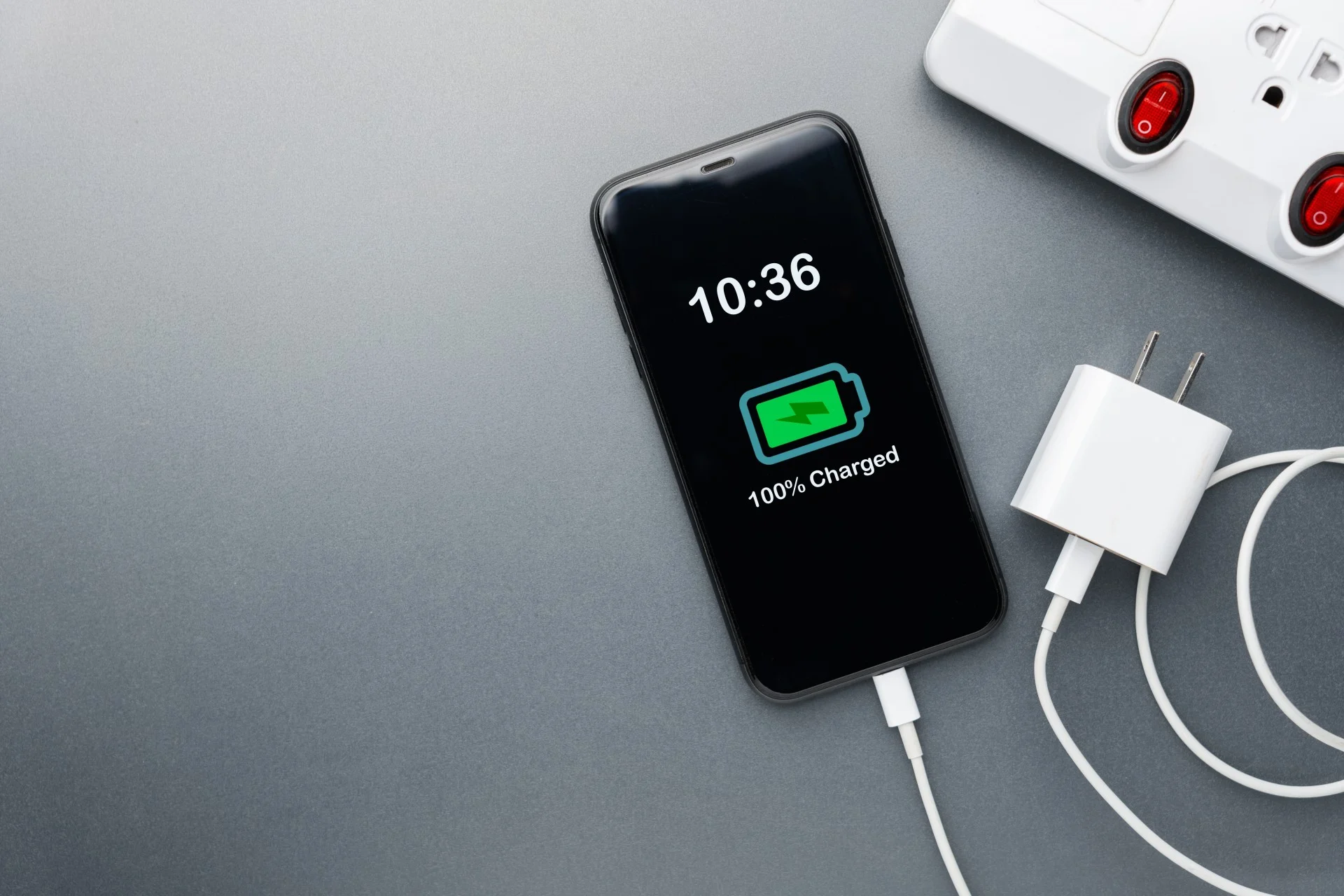
Your phone is fully charged, the cable is disconnected, but the charger remains plugged into the wall. It may stay there for hours, days, or even weeks. But does leaving it plugged in actually have a meaningful impact on electricity consumption?
The advice to “unplug your chargers because they waste electricity” has been around for years. The reality, however, is more nuanced. A charger can continue to draw a small amount of electricity when it remains connected without a device, but modern, high-quality chargers typically consume very little power in this state.
A charger still uses a small amount of power
Disconnecting your phone does not necessarily mean the charger stops consuming electricity completely. As long as it remains plugged in, its electronic circuitry is still connected to the power grid and requires a small amount of energy to remain active.
This is known as no-load or standby consumption the electricity used by a device when it is connected to a power source but is not actively charging anything.
Modern energy-efficiency requirements have significantly reduced this type of consumption. As a result, a modern smartphone charger left plugged in for an entire year is unlikely to make a noticeable difference to a household electricity bill.
That does not mean its energy consumption is literally zero.
The real issue is the combined consumption
The bigger issue is usually not a single charger but the growing number of devices that remain plugged in around the home.
Smartphones, tablets, laptops, smartwatches, wireless earbuds, televisions, game consoles, speakers, and many other electronics can continue to consume small amounts of electricity even when they are not actively being used.
This is often referred to as standby power or vampire power. Each individual device may consume very little, but the combined effect can become more significant when numerous devices remain connected around the clock.
For anyone looking to reduce electricity consumption, it therefore makes more sense to consider the overall number of devices operating in standby mode rather than focusing exclusively on a smartphone charger.
Safety is a separate issue
Where unplugging a charger becomes more important is safety.
A certified charger in good condition is designed to operate safely while connected to a power outlet. Older, damaged, or poor-quality chargers are a different matter.
Frayed cables, cracked casings, excessive heat, unusual smells, or strange noises are warning signs that a charger should be unplugged and replaced.
Chargers should also never be covered with clothing or other materials while operating, and they should be placed somewhere that allows heat to dissipate properly.
What about going on vacation?
If you are going to be away from home for several days, unplugging devices that do not need to remain powered is a simple precaution.
The savings from a single charger may be negligible, but disconnecting unnecessary electronics reduces overall standby consumption and also limits the number of electrical devices that remain energized while the home is empty.
So, should you unplug your charger?
For a modern, high-quality smartphone charger, the answer is that its energy consumption when no device is connected is usually so small that it is unlikely to have a noticeable effect on your electricity bill.
That does not make the traditional advice completely wrong. Unplugging a charger is still a sensible habit, particularly if the charger is old, damaged, showing signs of overheating, or if you are going to be away from home for an extended period.
In other words, there is no need to worry about every charger you accidentally leave plugged in. If you genuinely want to reduce household electricity consumption, however, it is worth looking at the combined standby power used by all the devices in your home.