
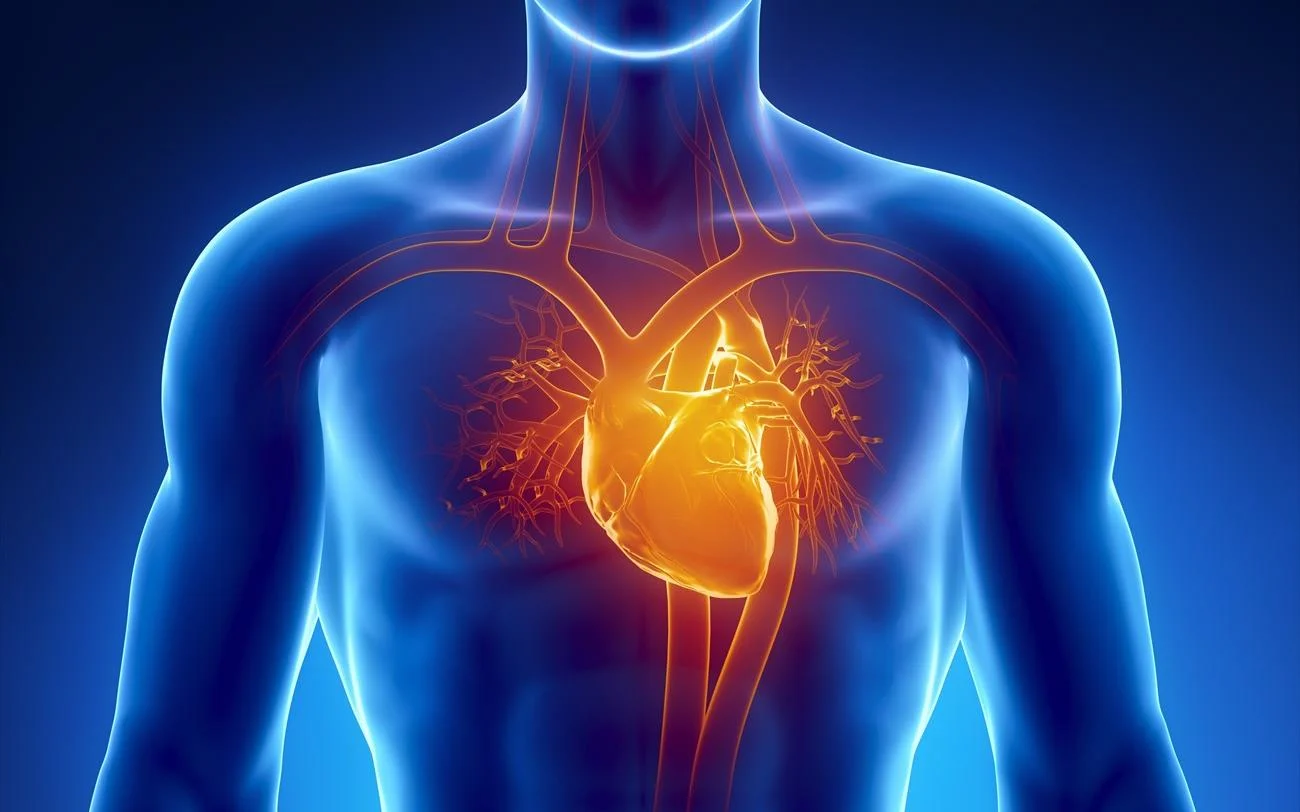
A new stem cell based approach has produced encouraging results for patients with severe heart failure, with a small clinical trial in China showing significant improvements in heart function in nine out of 10 participants.
The study, published in Nature Medicine, was conducted by researchers at Nanjing Drum Tower Hospital in China and investigated a cell-based treatment designed to help repair damaged heart muscle.
Heart failure can cause shortness of breath, severe fatigue, swelling in the legs, unexplained weight gain, and a persistent cough. In advanced cases, heart transplantation remains an important treatment option, but the limited availability of donor organs means that many patients cannot receive a transplant.
How the treatment works
The trial involved 10 patients who received cells capable of developing into specialized heart muscle cells.
Researchers began with cells collected from the patients themselves and reprogrammed them into induced pluripotent stem cells, or iPSCs. These cells were then differentiated into heart muscle cells and injected into areas of the heart that had been damaged.
iPSCs are considered a promising tool in regenerative medicine because they can multiply and, under appropriate conditions, develop into different types of cells found in the human body.
For comparison, a separate group of 10 patients underwent coronary artery bypass surgery. All participants were monitored using cardiac imaging, laboratory tests, and assessments of their functional capacity.
Nine out of 10 patients showed improvement
The results after 12 months of follow-up were particularly encouraging. Nine of the 10 patients who received the stem cell treatment experienced significant improvements in heart function compared with the control group.
The improvement was sufficient for patients to experience only mild symptoms and to perform their everyday activities more effectively.
Symptoms such as chest pressure or tightness and shortness of breath also improved. Patients performed better in the six-minute walk test, with the increase in walking distance being almost twice as large as that observed in the control group.
Researchers also found an average improvement in the amount of blood pumped out by the heart with each heartbeat, an important measure of the heart’s pumping function.
In the control group, 60% of patients achieved a comparable level of improvement, while one participant died eight months after surgery.
Encouraging findings, but more research is needed
The researchers reported no serious adverse events directly associated with the stem cell treatment. Two patients developed clinically significant tachycardia, which occurred two to three weeks after the procedure and subsequently resolved completely.
Despite the promising findings, the scientists emphasize that the study was small and cannot yet establish the treatment’s effectiveness and safety across a larger population.
Larger and longer-term clinical trials will be necessary to determine the risk-benefit profile of using iPSCs to regenerate damaged heart muscle.
If the findings are confirmed in larger studies, the approach could represent an important step toward regenerative treatments for heart failure, potentially offering a new option for patients whose current treatment choices are limited.